🌐 ES ▾
Limpieza de gas lacrimógeno en Cincinnati, OH
Licensed Cincinnati tear gas cleanup pros for repairs, installs and upgrades — upfront pricing, fast scheduling, one accountable team.
¿Qué tan rápido pueden responder en Cincinnati?+
¿Ofrecen presupuestos gratuitos?+
¿Qué vecindarios en Cincinnati atienden?+
¿Qué métodos de pago aceptan?+
¿A quién llamo para una emergencia de limpieza de biopeligros en Cincinnati?+
¿Cómo puedo verificar que una empresa de limpieza de biopeligros en Cincinnati está licenciada y es legítima?+
Tear Gas Cleanup in Cincinnati
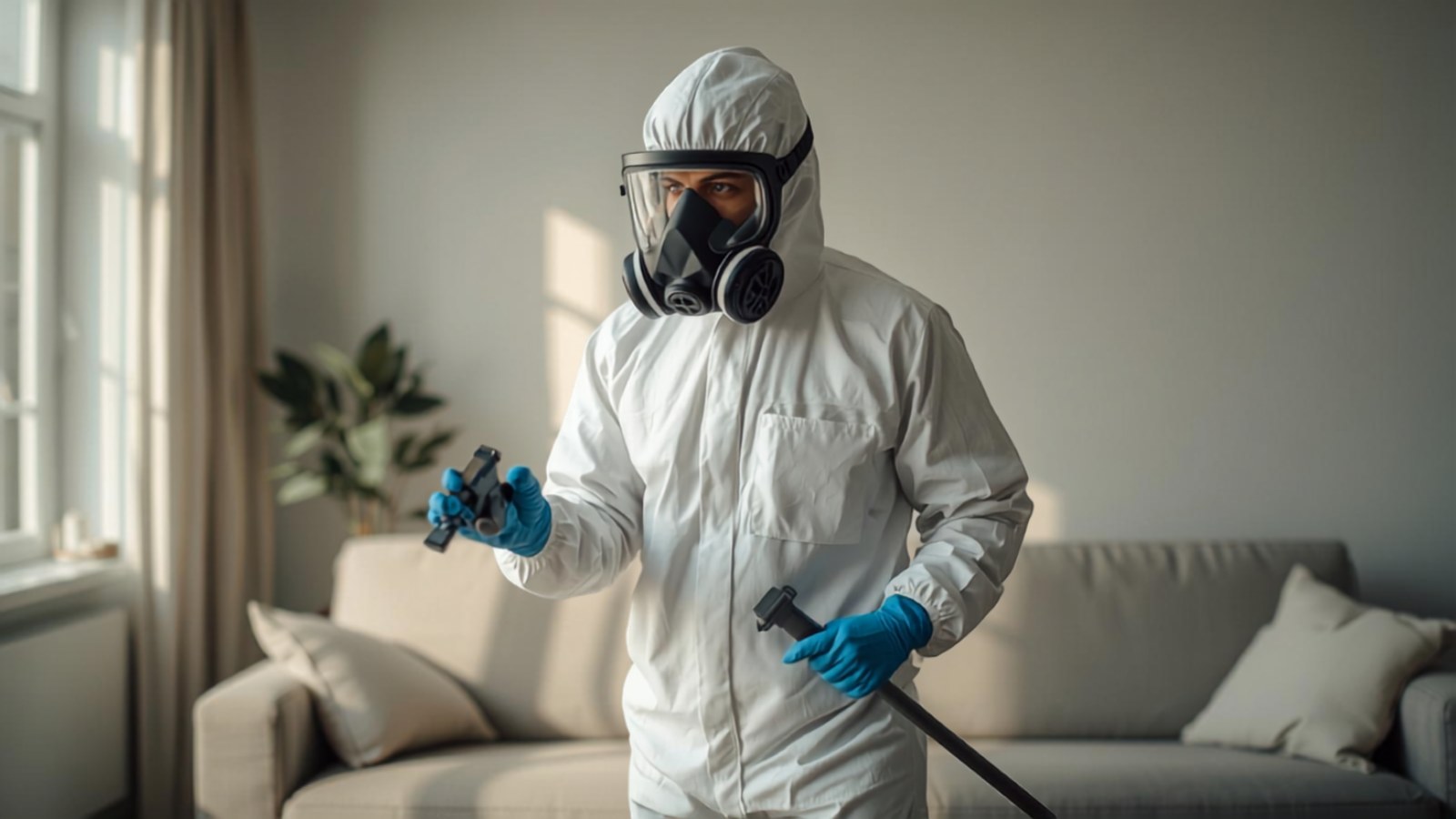
Tear Gas Cleanup in Cincinnati
Tear gas cleanup is a specialized remediation process that requires handling chemical irritants such as CS, CN, or OC (oleoresin capsicum) that are commonly deployed in law enforcement or crowd control situations. When tear gas is discharged indoors or in enclosed spaces, these agents settle as a fine, oily residue on surfaces including walls, floors, ceilings, furniture, and HVAC ductwork. The cleanup process starts with a comprehensive assessment of the affected area, including air quality testing to determine the extent of contamination. Technicians then isolate the space using negative air pressure containment to prevent residue from spreading to unaffected areas. All porous materials like carpets, curtains, upholstered furniture, and drywall that have absorbed the chemicals are carefully removed and disposed of according to hazardous waste regulations. Non-porous surfaces are cleaned using specialized chemical neutralizers that break down the irritant compounds, followed by multiple rounds of HEPA vacuuming and wet-wiping. The HVAC system is a critical focus—ducts, filters, and vents must be cleaned or replaced to avoid recirculating irritants throughout the property. Crew members wear full-face respirators, chemical-resistant suits, and gloves to ensure safety during the work. This level of remediation matters for Cincinnati properties because the residue can remain active for weeks, causing ongoing respiratory distress, skin irritation, or eye discomfort for occupants. Proper cleanup restores the environment to a safe, breathable condition, preventing long-term health issues.
Cincinnati's mix of older historic buildings and modern structures adds complexity to tear gas cleanup. In neighborhoods like Betts-Longworth Historic District, properties often feature porous brick, plaster walls, and intricate woodwork that require careful handling to avoid damage while still achieving full decontamination. In areas like Bond Hill or Avondale, where residential and commercial spaces share ventilation systems, the risk of cross-contamination is higher. The cleanup must also comply with local environmental regulations regarding disposal of chemical-laden materials. Our team understands the specific challenges posed by Cincinnati's building stock and urban layout, ensuring that every property